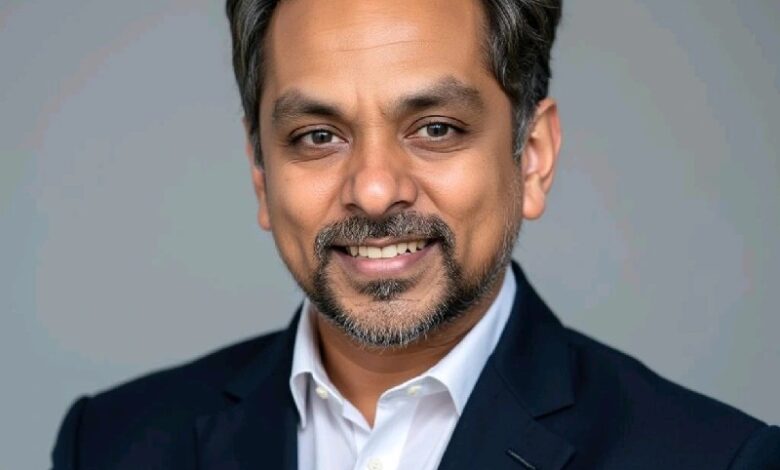
Montra Electric has appointed Vivek Rao as Head of Human Resources and Administration. The hire is a people appointment, but it comes as the company builds out its commercial vehicle business, where workforce capability is a real constraint.
Montra Electric, the electric two- and three-wheeler and commercial vehicle maker that operates under TI Clean Mobility, has named Vivek Rao as Head of Human Resources and Administration, according to a company LinkedIn post. The post describes Rao as bringing experience from Mahindra and Ashok Leyland, and cites his expertise in organisational transformation and talent strategy. The announcement carries no date in the copy we could access, and it does not describe his responsibilities beyond the title, the reporting line or any targets for hiring.
The appointment matters less for the individual than for the work it is meant to support. Montra is expanding beyond passenger and light electric two-wheelers into heavier vehicles. In February 2026, it appointed Navneet Sethi as Chief Executive Officer of its electric medium and heavy commercial vehicle business, with a mandate to strengthen manufacturing capability, scale operations and advance electrification of heavy-duty commercial vehicles, according to Auto Components India. A commercial vehicle business needs different skills from a two-wheeler line: plant engineering, supplier development, service networks and fleet-focused sales. HR leadership is the function that hires and retains those people.
A Talent Market That Commercial Vehicle Makers Are Competing For
Rao’s background places him in a crowded talent market. Ashok Leyland, the commercial vehicle maker where he spent most of his career, has seen HR leadership change in recent years. Raja Radhakrishnan, who had been President and Head of Human Resources, resigned effective 21 October 2026, citing career plans, according to People Matters. Ashok Leyland had earlier moved its HR leadership through several appointments, including a transition from Amanpreet Singh Bhatia to Radhakrishnan. We have not established whether Rao’s move is connected to those changes. The sources do not say so, and we would not infer it.
Our analysis is that the pool of people who have run HR for large commercial vehicle plants is small. Companies that are scaling electric commercial vehicles compete for the same engineers, plant managers and service leaders as established diesel and gas makers, and they also compete with two-wheeler and battery companies for software and battery talent. An HR function that can recruit across those domains, and retain them through a period of plant ramp-ups, is valuable. Whether Montra’s HR head can do that depends on the budget, reporting structure and hiring targets the company gives him, none of which the announcement discloses.
What the Announcement Does Not Show
The public material offers little detail. Montra has not disclosed headcount targets, the scale of its commercial vehicle hiring, or the timing of new plant or product launches in that segment. The LinkedIn post describes the appointment as supporting people and organisational capability “as the company grows”, a general statement that could apply to almost any growing company. The sources we reviewed do not include a company press release, an exchange filing or independent reporting of the appointment.
There is also a limit to what a single HR appointment can prove. Talent strategy is measured in hiring rates, attrition, time to fill critical roles and the performance of new plants. None of those measures has been published for Montra. The appointment is a signal about intent, not evidence of execution, and readers should not treat it as proof of a capability that has yet to be demonstrated.
Competitive pressure makes the question sharper. The EV sector is adding capacity faster than it is developing managers who have built electric products at scale. Companies that hire experienced HR leaders early can shape the talent pipeline, but they still have to fill the roles those leaders recruit for. The industry will judge Montra less by its HR title than by whether its commercial vehicle plants reach planned output with the teams it has built.
The question for the industry is whether HR appointments will become a leading indicator of EV manufacturing strength. If companies that name senior people operations leaders also publish hiring and retention data, investors and buyers can test the claim. If they do not, the appointment remains a LinkedIn announcement, and its effect will be visible only in the next set of plant and product results.