e-SPRINTO’s Dealer Push Tests Whether a Fleet Maker Can Sell to Families

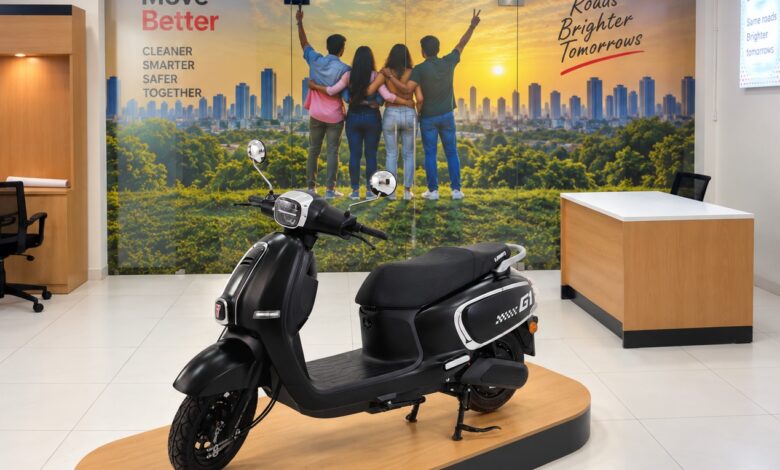
e-SPRINTO plans 50 dealers by March 2027 and more than 200 by the end of FY28 as it moves from fleet supply into family sales. Its ability to service a retail network will matter more than the target itself.
e-SPRINTO, an Indian electric two-wheeler company, has announced a two-phase dealer expansion. Phase one covers North, South and West India, where the company plans about 20 dealers in the north, 15 in the south and 15 in the west, with priority cities including Delhi-NCR, Jaipur, Bengaluru, Hyderabad and Pune. Phase two extends the network into Central and East India, with cities such as Bhopal, Indore, Kolkata and Bhubaneswar named in the announcement. The company says it aims for 50 dealers by March 2027 and more than 200 by the end of FY28. The announcement, dated 2 November 2026, follows the launch of its first consumer scooter, the G1.
The strategy changes who e-SPRINTO sells to. Founded in 2022 by Vinod, Atul and Shalu Gupta, the company built its business on fleet and commercial customers, and its scooters use swappable batteries designed for that use. The G1 is a fixed-battery family scooter with 12-inch tyres and seating designed for households, according to Inc42. A fleet supplier sells through contracts and direct accounts. A consumer brand needs showrooms, test rides, financing partners and service bays in neighbourhoods where buyers live. Our analysis is that the dealer network is the company’s entry ticket to the consumer market, not an extra channel.
Two Phases, and a Target That Needs Reconciling
The phased plan is sensible. Starting in markets where the company already has commercial relationships and a presence in the north, south and west lets it test dealer economics before spreading into Central and East India. It also concentrates after-sales resources. The company’s own words are that the focus is on “the 3S — Sales, Service and Spares”, a statement of intent rather than a measured outcome.
The FY28 figure is not consistent across reports. The press release targets more than 200 dealers by the end of FY28. Inc42, citing an interview with the co-founders, reports a target of about 150 dealerships by FY28, with roughly 10 new dealers a month. Both figures may be correct for different points in time, but the sources do not say so, and a 50-dealer gap at the end of the plan is material for any investor or dealer forming a view. The company should confirm its FY28 number before it is repeated as a commitment.
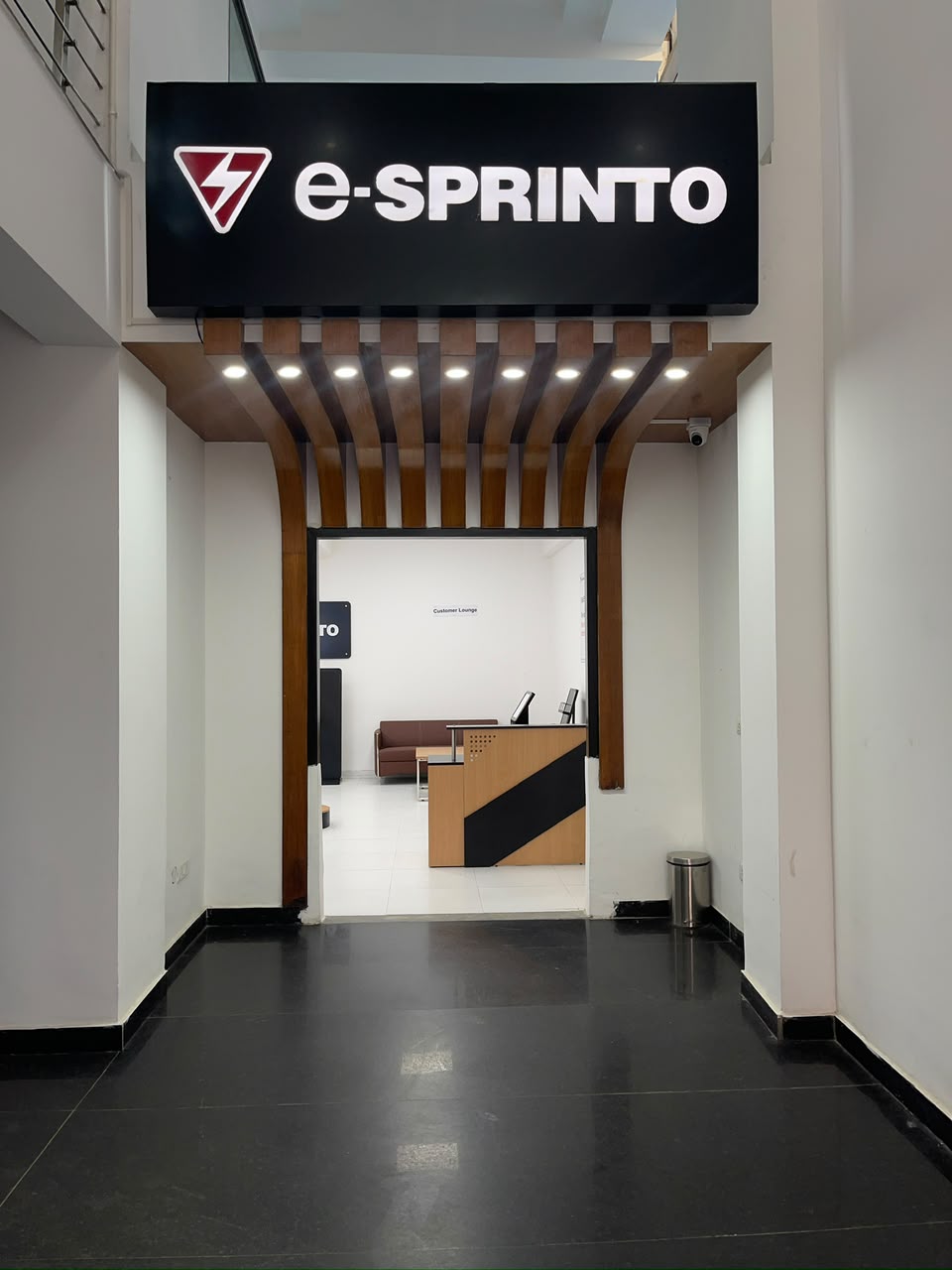
Dealers Ahead of Deliveries
The timing is tight. The G1 launched on 13 October 2026, with pre-bookings open and customer deliveries scheduled to begin on 1 January 2027, according to launch coverage from Autocar Professional, Ackodrive and EV Reporter. The company has also set a target of about 5,000 G1 units sold by March 2027, per Inc42. Those figures imply that dealers will be opening, and taking bookings, for a product that buyers cannot yet receive. That is common in new launches, but it puts pressure on sales staff, service training and parts supply in the months before the first deliveries.
Pricing adds a further question. The G1 starts at ₹89,999 ex-showroom Delhi for the 2.0 kW variant, with the 2.5 kW version at ₹94,999 and the 3.0 kW version at ₹99,999, according to EVTech.News. One report describes the ₹89,999 figure as introductory, and the company has not said whether or when prices change. Dealers will need to know which price applies when a buyer signs, and the answer will shape how much margin each dealership can earn.
What Would Show the Network Is Working
Three measures would test the plan. The first is the number of operating dealers, with the count reported at a stated date rather than as a target. The second is registrations of G1 scooters, recorded by transport authorities, which show what customers bought and differ from bookings, dealer stock and dispatches. The third is service capacity: how many service points exist, how quickly parts are available, and how many customers return for servicing. The company says it has more than 70,000 vehicles on Indian roads, but that figure is a cumulative count across its fleet business and does not indicate how many owners will need home-market service.
Competition is intense. Established brands sell through large networks in the same price range, and electric scooter makers in the sub-₹1 lakh band compete on dealer reach as much as on product. e-SPRINTO’s advantage is its record with fleet customers and a manufacturing base it describes as three plants with 1.5 lakh units of annual capacity. Those are company statements. Whether that manufacturing scale translates into retail demand will depend on how quickly the company can open dealers in cities where it has little brand awareness.
The question for the industry is whether a fleet-first electric scooter maker can build a retail organisation that sells, services and supplies spares to families, at the pace its dealer targets imply. The first test is not the 50th dealer. It is whether the first 20 dealers are selling and servicing G1 scooters in February 2027, once deliveries have started.