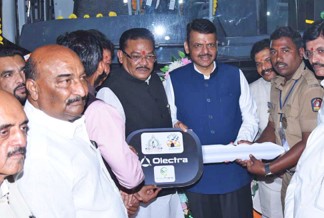
Olectra Greentech has introduced 35 air-conditioned electric buses in Chhatrapati Sambhajinagar, Maharashtra, expanding its presence in the state’s public transport network. The buses were inaugurated by Maharashtra Chief Minister Devendra Fadnavis on November 1, 2026, at the Divisional Sports Complex. Passenger services were scheduled to begin the following day, with Evey Trans operating the fleet across routes in the city.
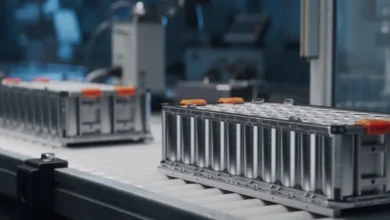
The deployment is intended to support the Chhatrapati Sambhajinagar Municipal Corporation’s efforts to modernise public transport and provide commuters with an alternative to conventional fuel-powered buses. The 9-metre vehicles use blade battery technology and feature air suspension, regenerative braking and passenger information systems.
For Olectra, the addition strengthens its operating footprint in Maharashtra. For the city, the more important measure will be how consistently the buses serve routes, how reliably the fleet is maintained and whether the deployment improves the availability and quality of public transport.
35 Olectra Electric Buses Inaugurated in Maharashtra
The 35 buses were formally inaugurated by Chief Minister Devendra Fadnavis at a ceremony held on November 1. They have been introduced for the Chhatrapati Sambhajinagar Municipal Corporation, with Evey Trans responsible for operating passenger services across various city routes.
The inauguration marks the formal introduction of the fleet, although the number inaugurated should be distinguished from the number actually operating passenger services. Some local reporting has referred to 34 buses entering service, while Olectra’s announcement identifies 35 buses as inaugurated. The operational count should therefore be confirmed with the municipal corporation before being reported as the number of buses running daily.
The deployment adds to the city’s efforts to update its public transport system with air-conditioned electric buses. The vehicles are intended to provide a cleaner and quieter alternative to conventional buses, while offering passengers features such as CCTV cameras, digital destination boards and vehicle location tracking.
The operating arrangement also matters. Evey Trans will run the buses, making fleet availability, maintenance and service reliability central to the outcome of the deployment. The introduction of electric buses is only one part of a public transport upgrade; their contribution depends on how effectively they are integrated into the city’s routes and daily operations.
Blade Battery Technology and 9-Metre Bus Platform
The newly introduced Olectra buses measure 9 metres in length and are powered by blade battery technology. They use monocoque construction and are equipped with front and rear air suspension, an Antilock Braking System (ABS), regenerative braking and disc brakes at both ends.
These systems are intended to support vehicle stability, braking performance and passenger comfort in urban operating conditions. Air suspension can help manage ride comfort over varying road surfaces, while regenerative braking recovers some energy during deceleration. ABS and disc brakes provide braking assistance, particularly important for buses operating in traffic with frequent stops.
However, the operational performance of the fleet will depend on more than the technology specified on paper. Route conditions, passenger loads, driving patterns, charging arrangements and maintenance practices will all influence vehicle availability and energy consumption over time.
Olectra electric buses: Key details
Deployment: 35 buses inaugurated
Vehicle length: 9 metres
Battery technology: Blade battery technology
Construction: Monocoque
Suspension: Front and rear air suspension
Braking: ABS, regenerative braking and front and rear disc brakes
Operator: Evey Trans
Passenger services scheduled from: November 2, 2026
Passenger Features Extend Beyond the Electric Powertrain
Olectra has equipped the buses with several features aimed at passenger convenience and safety. These include air curtains at both passenger doors, CCTV cameras, digital destination boards and an integrated passenger announcement system.
The vehicles also feature a vehicle location tracking system, USB charging ports and a digital instrument cluster. Together, these systems are intended to improve the passenger experience and provide useful information during journeys.
For urban bus services, passenger-facing features are relevant because the quality of public transport is shaped by more than the vehicle’s powertrain. Clear route information, safety provisions, accessibility and predictable service all influence whether commuters choose buses for everyday travel.
The impact of the new fleet will therefore need to be assessed through its actual use. The availability of air-conditioned buses and digital information systems can improve the onboard experience, but consistent schedules, route coverage and sufficient service frequency remain essential to attracting and retaining passengers.
Olectra’s Wider Electric Bus Footprint
The Chhatrapati Sambhajinagar deployment adds to Olectra’s growing nationwide operations. According to the company, more than 4,500 Olectra electric buses are on the road across over 55 cities, having collectively covered more than 750 million green kilometres.
These figures indicate the scale of the company’s deployed fleet and its operating experience in the electric bus segment. Olectra also states that its order book exceeds 7,950 vehicles, although an order book should not be confused with vehicles already delivered or in service.
Mahesh Babu, Managing Director of Olectra Greentech, said the introduction of the 35 buses was another step towards making clean and reliable public transportation available to more people. He also highlighted the company’s nationwide deployment and the distance covered by its electric buses, while emphasising that progress should be measured by the impact on everyday mobility and passenger experience.
The distinction between orders, deliveries and operational vehicles is important when evaluating the growth of India’s electric bus market. A large order pipeline can indicate future demand, but actual public transport outcomes depend on timely deployment, charging infrastructure, depot readiness and the ability to keep buses in service.
Deployment Is Only the First Measure of Progress
Electric buses can reduce local tailpipe emissions and operate more quietly than conventional diesel buses. Their broader environmental benefit, however, also depends on electricity generation, vehicle utilisation, battery life and the efficiency of charging and maintenance operations.
For Chhatrapati Sambhajinagar, the immediate priority will be ensuring that the new buses become a dependable part of the municipal transport network. That requires adequate charging arrangements, trained maintenance teams, spare-parts availability and effective route planning. The operating performance of the fleet over time will offer a clearer picture of its contribution than the inauguration alone.
The deployment also highlights the importance of coordination between vehicle manufacturers, fleet operators and municipal authorities. The manufacturer supplies the buses, the operator manages their day-to-day use, and the city has to integrate them into a public transport system that meets commuter needs.
Olectra’s 35-bus introduction is another addition to Maharashtra’s electric public transport activity. The next milestone will be the fleet’s operational performance: how many buses run consistently, how well they serve passengers and whether the city can sustain the infrastructure needed to keep them moving. The real measure of this deployment will be the service delivered after the inauguration ceremony.