Tata Motors Delivers 50,000+ Vehicles During Navratri 2026

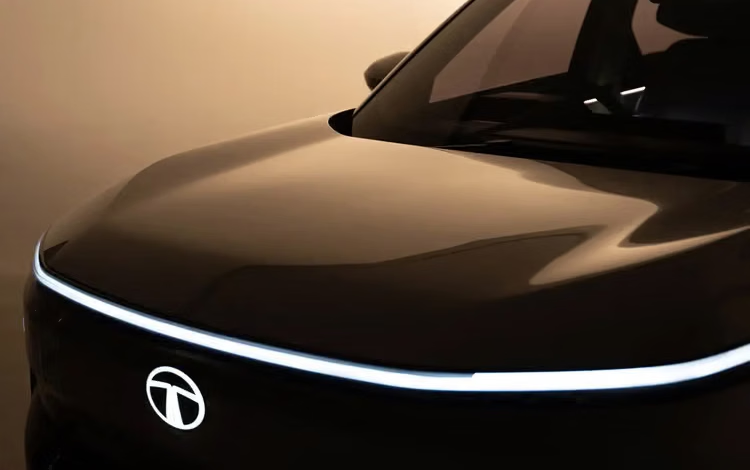
Tata Motors Passenger Vehicles says it delivered more than 50,000 cars and SUVs during Navratri 2026, including over 10,000 on Dussehra alone. Showroom footfall, enquiries and bookings have risen, and the company is stepping up production and logistics ahead of Dhanteras and Diwali.
Navratri has long been one of the most important windows for India’s carmakers, and this year’s figures suggest the festive season is delivering. Tata Motors Passenger Vehicles reports that over 50,000 vehicles were delivered during the nine-night festival, with more than 10,000 of those handed over on Dussehra itself. The company attributes the strength to improving consumer sentiment, which it says has led to more showroom visits, enquiries, bookings and deliveries across its multi-powertrain range of cars and SUVs.
What Tata Motors Says Is Driving Demand
Amit Kamat, Chief Commercial Officer of Tata Motors Passenger Vehicles, described the festive response as encouraging, pointing to robust demand across the company’s petrol, diesel, CNG and electric line-up. He said the company has increased production and sharpened its logistics to improve the availability of the models and variants seeing the strongest interest, so that more customers can take delivery before the main Diwali buying days.

“We are seeing strong festive cheer resulting in robust demand across our multi-powertrain portfolio of cars and SUVs, with improved customer sentiment driving higher showroom walk-ins, enquiries, bookings and deliveries.”
— Amit Kamat, Chief Commercial Officer, Tata Motors Passenger Vehicles
The company also reports a healthy booking pipeline ahead of Diwali. It has not disclosed how many bookings are pending, nor provided model-wise delivery figures, so the size of that pipeline cannot yet be measured. The company expects the current momentum to continue through the remaining festive days.
What the Industry Data Shows
Tata’s figures describe its own deliveries. Industry-wide data comes from the Federation of Automobile Dealers Associations (FADA), which records retail registrations and is based on provisional numbers. Read together, the two sources give a fuller picture of how the festive season went.
Navratri 2026 at a Glance (FADA Provisional Data)
- Passenger vehicle registrations: 1,82,728, up 10.39% on Navratri 2024 (1,65,534 units)
- Passenger vehicle registrations: down 21.91% on Navratri 2025, which ran for 11 days against 10 this year
- Total automobile retail registrations: 11,23,086, up 26.76% on the comparable 2024 period
- Two-wheeler registrations: 8,34,075, up 32.41%
- Electric passenger vehicle registrations: 12,305, up 25.97% year-on-year
Two points stand out. First, the year-on-year fall in passenger vehicle registrations against 2025 is largely a matter of calendar: last year’s festival lasted one day longer. Compared with 2024, which had the same ten-day length, the passenger vehicle segment grew. Second, two-wheelers outpaced cars, with a 32.41% rise in registrations, a reminder that the festive surge spread across the mobility market rather than being confined to four-wheelers.
Why Deliveries and Registrations Differ
A delivery and a registration are not the same event. A car may be handed over to a customer in one period and registered with the transport authorities shortly after, or the reverse can happen. That timing difference means Tata’s delivery figure and FADA’s registration figure cannot be added or compared directly. Treat the 50,000 deliveries as the company’s own measure of festive activity, and the FADA numbers as the wider industry trend.
Looking Ahead to Dhanteras and Diwali
The next test is whether supply can keep pace. Tata Motors says it has raised production and tightened logistics for the models in highest demand. If bookings continue to convert into deliveries through Dhanteras and Diwali, the festive quarter could finish strongly for the company. If customers face waiting periods on popular variants, some of that interest may move to rivals with stock on hand. The company has not published the size of its pending order book, so buyers and investors will watch the delivery numbers in the weeks ahead.