Beyond EVs: The Future of Intelligent Mobility in India

The automotive industry is moving beyond electrification into an era defined by connectivity, artificial intelligence and integrated mobility ecosystems. In this thought-provoking perspective, Anupam Singh, Business Head – Ford & Lincoln at Saud Bahwan Group LLC, explores how EVs are only the beginning of a larger transformation. He examines the convergence of connected vehicles, smart infrastructure, digital platforms, AI and energy networks, and explains why India is uniquely positioned to shape the future of intelligent mobility.
For over a century, the automobile has symbolised personal freedom. The internal combustion engine powered economies, transformed cities, and reshaped human mobility. Today, as electric vehicles (EVs) replace fossil-fuel-powered cars, many believe we are witnessing the most significant transformation in automotive history. They are only partly right. The electrification of vehicles is merely the first chapter of a much larger story. The real revolution over the next decade will not be defined by electric motors replacing combustion engines, but by the emergence of intelligent mobility ecosystems where vehicles, infrastructure, digital platforms, energy networks, and artificial intelligence operate as one connected system. India has a unique opportunity to lead this transformation, not by replicating legacy mobility models, but by leapfrogging into an integrated, technology-driven future.
The First Revolution: Electrifying the Vehicle
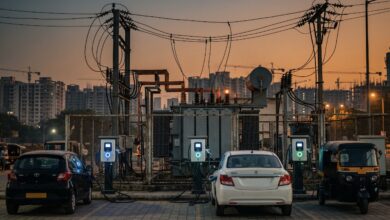
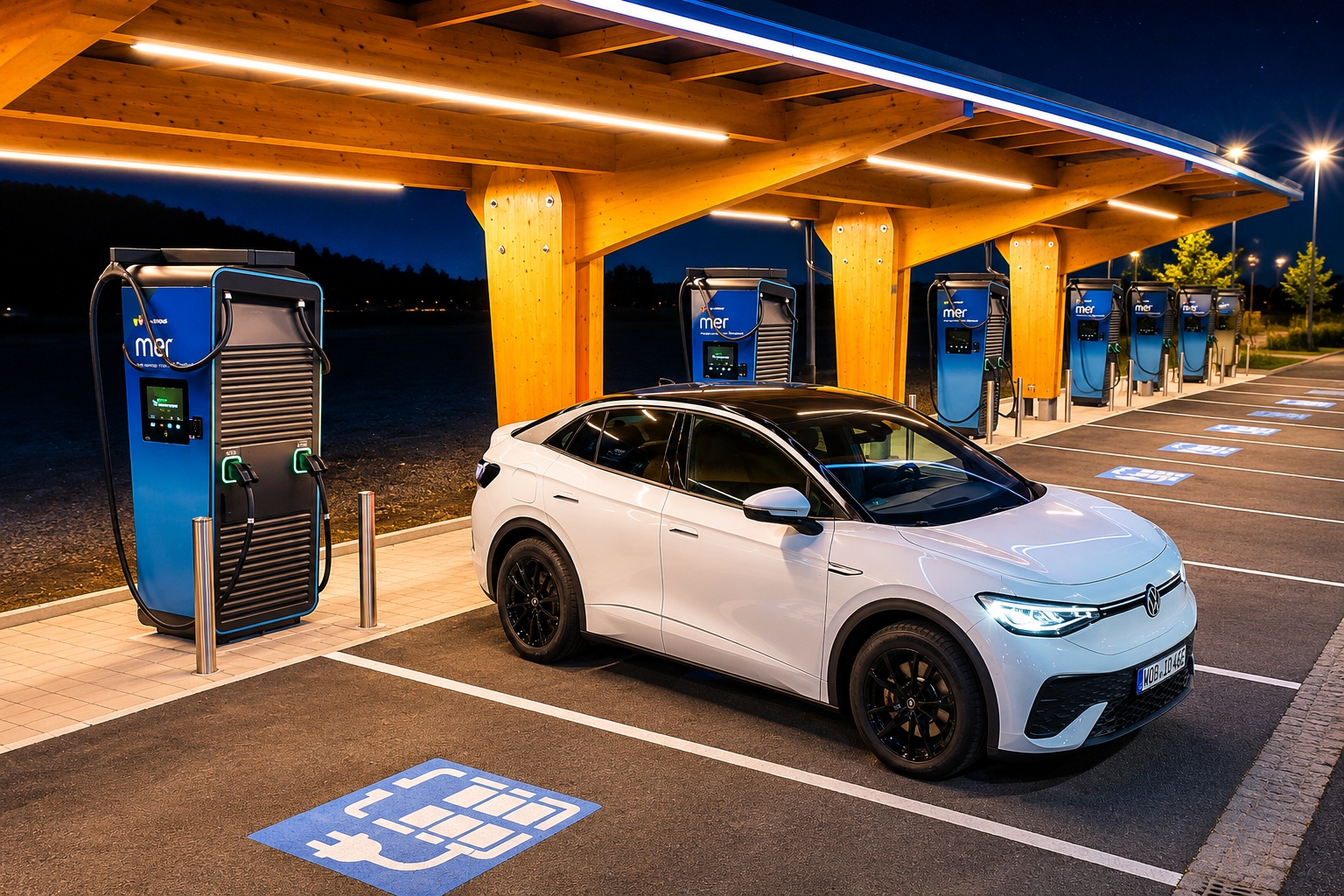
The first wave of the EV revolution focused on replacing the powertrain. Governments introduced incentives, manufacturers invested billions in battery technologies and consumers slowly embraced cleaner transportation. India has made remarkable progress. Policies such as the FAME scheme, Production Linked Incentive (PLI) programs, state EV policies and investments in charging infrastructure have accelerated adoption. Two-wheelers, three-wheelers, buses and passenger vehicles are increasingly becoming electric, while domestic manufacturing capabilities continue to strengthen. Yet electrification alone does not solve the larger mobility challenge. Traffic congestion continues to worsen. Urban pollution remains a concern. Public transport often operates in isolation from other modes of travel. Commuters still juggle multiple apps, payment systems and ticketing platforms to complete a single journey. Replacing an internal combustion vehicle with an electric one is undoubtedly cleaner – but it does not necessarily make mobility smarter.
The Second Revolution: Connecting the Vehicle
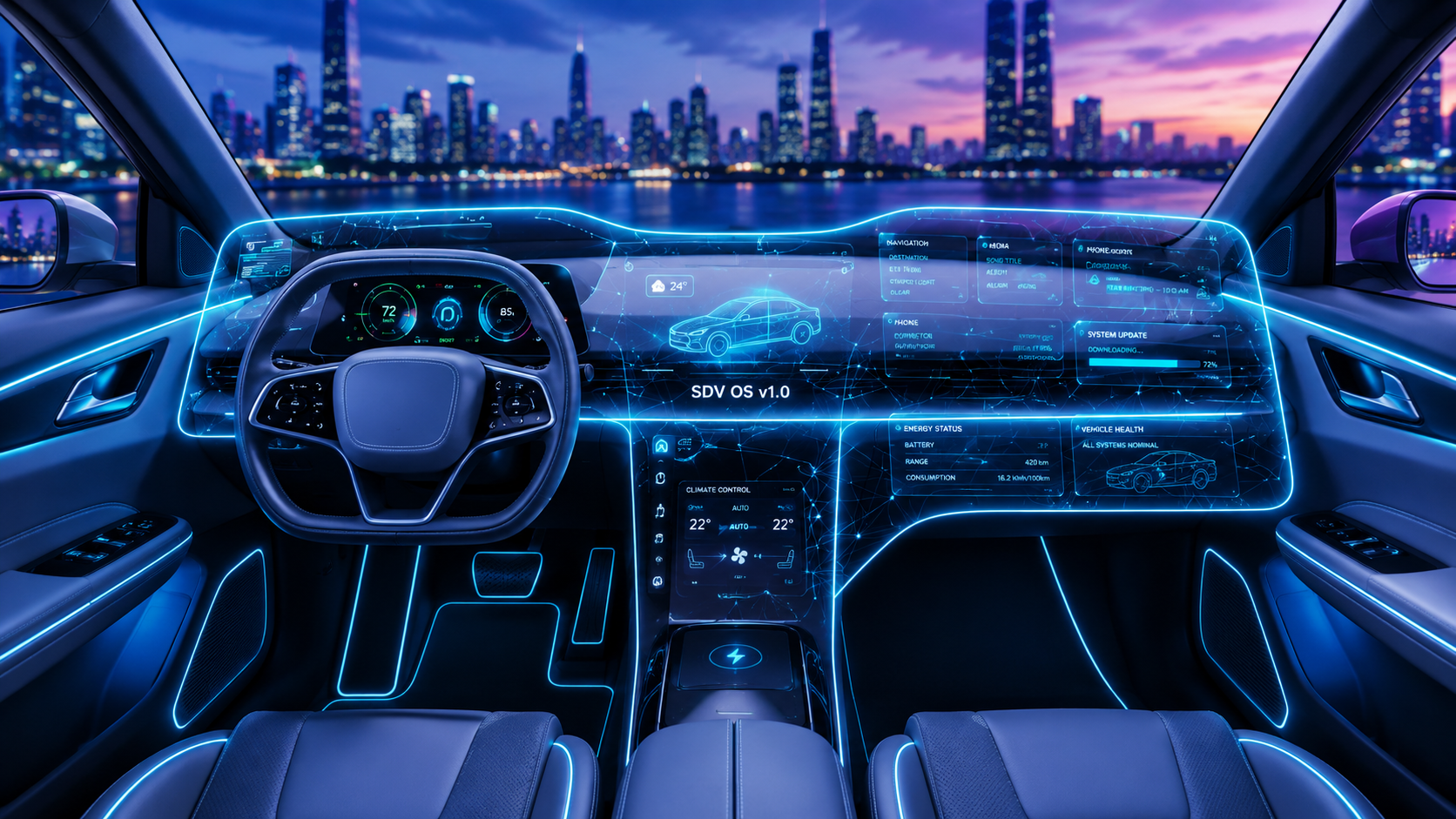
The next phase is already underway. Modern vehicles are rapidly evolving into connected digital platforms capable of communicating with drivers, manufacturers, charging infrastructure and cloud-based services in real time. Software-defined vehicles, over-the-air updates, predictive maintenance, connected diagnostics and AI-powered driver assistance are fundamentally changing the ownership experience. Increasingly, the value of a vehicle will be determined not only by its mechanical engineering but also by the intelligence embedded in its software.
Connectivity enables vehicles to optimise routes, locate available charging stations, monitor battery health, receive security updates and continuously improve performance throughout their lifecycle. However, even connected vehicles represent only one component of a much larger ecosystem. The real transformation begins when vehicles stop operating independently and start functioning as participants within an interconnected mobility network.
The Third Revolution: Building Intelligent Mobility Ecosystems
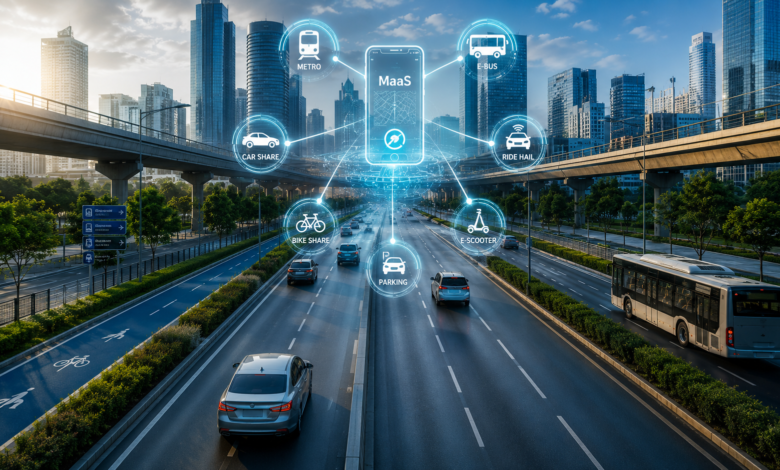
The future of mobility lies in integration rather than ownership. Imagine planning a journey where a single digital platform recommends the fastest and most sustainable route, seamlessly combining metro rail, electric buses, ride-hailing services, shared bicycles and walking. One payment covers the entire journey. Real-time traffic conditions automatically adjust the itinerary. Charging infrastructure communicates with vehicles, while AI predicts congestion before it occurs.
This is the essence of Mobility-as-a-Service (MaaS). Instead of asking, “Which vehicle should I buy?”, consumers will increasingly ask, “What is the smartest way to reach my destination?”
The focus shifts from vehicles to journeys. This integrated ecosystem depends on interoperability across public transport operators, private mobility providers, charging networks, payment systems, mapping services and digital public infrastructure. It also requires collaboration between government agencies, technology companies, OEMs, utilities and startups. India’s strength lies precisely in building digital ecosystems at scale. The success of Aadhaar, UPI, DigiLocker and ONDC demonstrates how open digital platforms can transform entire industries. Mobility could become the next frontier.
The Fourth Revolution: AI as the Mobility Orchestrator
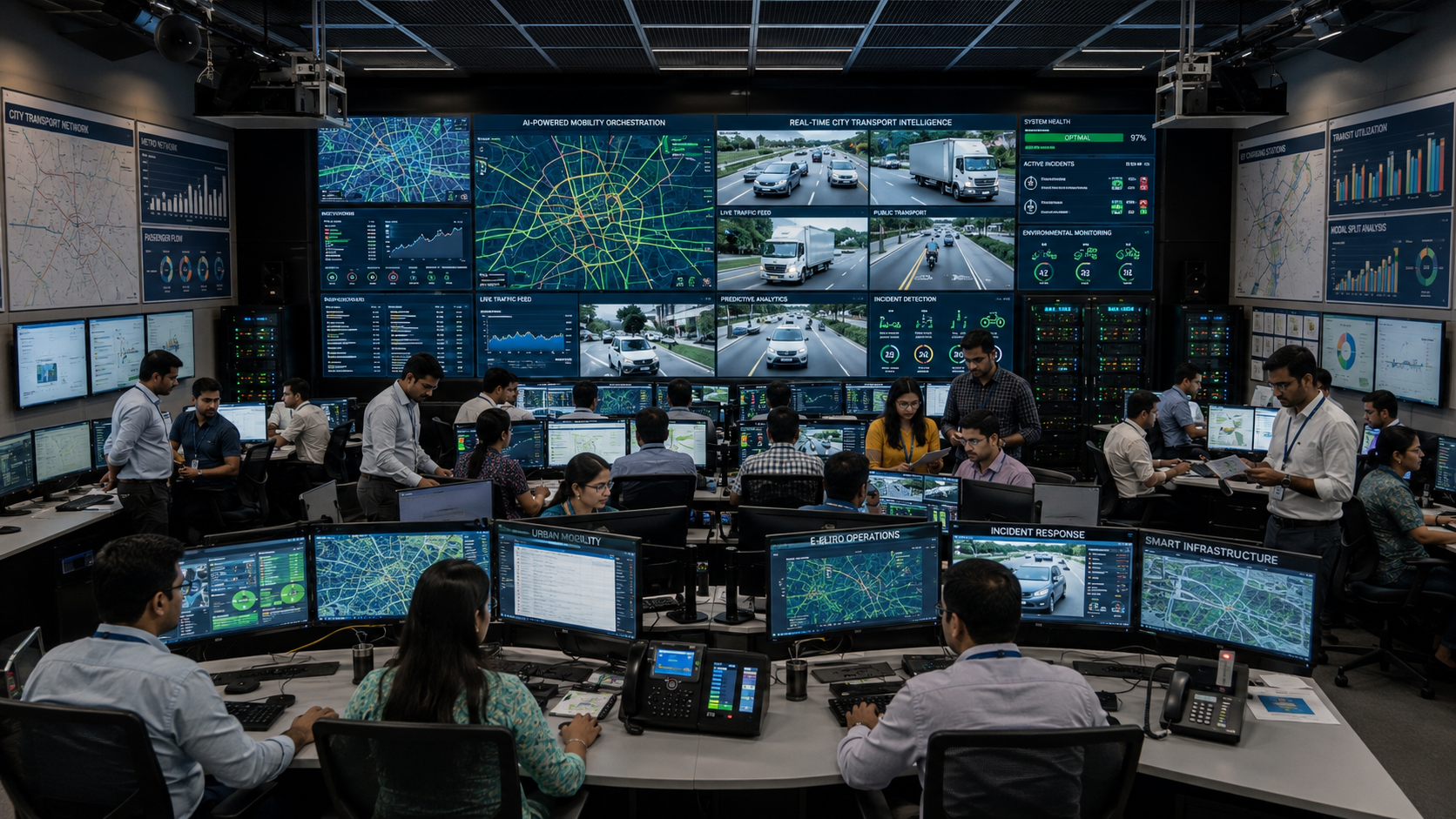
Artificial Intelligence will become the invisible operating system powering future mobility. AI will optimise traffic signals based on real-time demand, predict vehicle maintenance before failures occur, dynamically allocate charging capacity and recommend multimodal travel options tailored to individual preferences. Fleet operators will use AI to maximise vehicle utilisation and minimise downtime. Public transport agencies will forecast passenger demand and optimise routes dynamically. Energy providers will balance electricity demand by scheduling smart charging during periods of lower grid load.
Vehicle-to-Grid (V2G) technologies could even allow parked EVs to function as distributed energy assets, supporting renewable energy integration and enhancing grid resilience. As millions of connected vehicles generate vast quantities of mobility data, AI will convert this information into actionable intelligence, making transportation safer, cleaner and significantly more efficient. The future mobility ecosystem will not simply move people – it will continuously learn, adapt and improve itself.
Why India Can Lead
Many developed economies must modernise decades-old transport systems burdened by fragmented infrastructure and legacy regulations. India has a different advantage. Rapid urbanisation, expanding digital connectivity, ambitious renewable energy targets, a thriving startup ecosystem and world-class digital public infrastructure create ideal conditions for leapfrogging conventional mobility models. The country’s rapidly growing software talent pool, combined with strong automotive manufacturing capabilities, positions India to become not only a manufacturing hub for electric vehicles but also a global innovation centre for intelligent mobility platforms.
Indian startups are already pioneering solutions in battery technologies, charging infrastructure, fleet management, telematics, mobility software and AI-driven logistics. Simultaneously, established OEMs are investing heavily in connected vehicles, software capabilities and digital services. Success, however, will depend on collaboration rather than competition alone. No single organisation can build the future mobility ecosystem independently. Governments, OEMs, utilities, infrastructure providers, software companies, urban planners, academia and entrepreneurs must work together to create interoperable platforms with common standards and shared digital infrastructure. The winners of the next decade will not necessarily be those who manufacture the most vehicles, but those who enable the most seamless mobility experiences.
Looking Beyond the Vehicle
History reminds us that transformative technologies rarely succeed in isolation. The smartphone did not revolutionise communication because of better hardware alone; it succeeded because it became the centre of an ecosystem connecting applications, payments, entertainment, navigation, commerce and social interaction. Electric vehicles are following a similar path. The EV itself is not the destination – it is the gateway to a far more intelligent mobility future. As India enters what could become its defining decade for transportation, the conversation must evolve beyond battery capacity, driving range and charging speeds. Those metrics will remain important, but they represent only part of a much larger transformation.
The future belongs to connected journeys rather than disconnected vehicles. The Electrified Decade, therefore, will not simply be remembered for replacing fuel tanks with batteries. It will be remembered for reimagining mobility as an intelligent, integrated ecosystem that is cleaner, more efficient, digitally connected and fundamentally centred on the needs of people. If India embraces this vision with the same ambition that transformed its digital economy, it has the opportunity not just to participate in the future of mobility – but to define it.
Note to Readers: The views expressed in this article are those of the author and are presented for informational purposes only. They do not necessarily represent the views of Mobility Electrified.