Beyond the Battery: The Next Decade of Electric Two-Wheelers

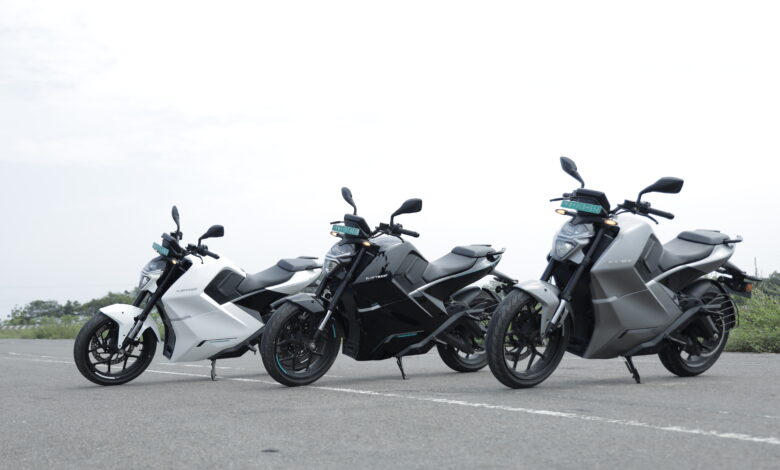
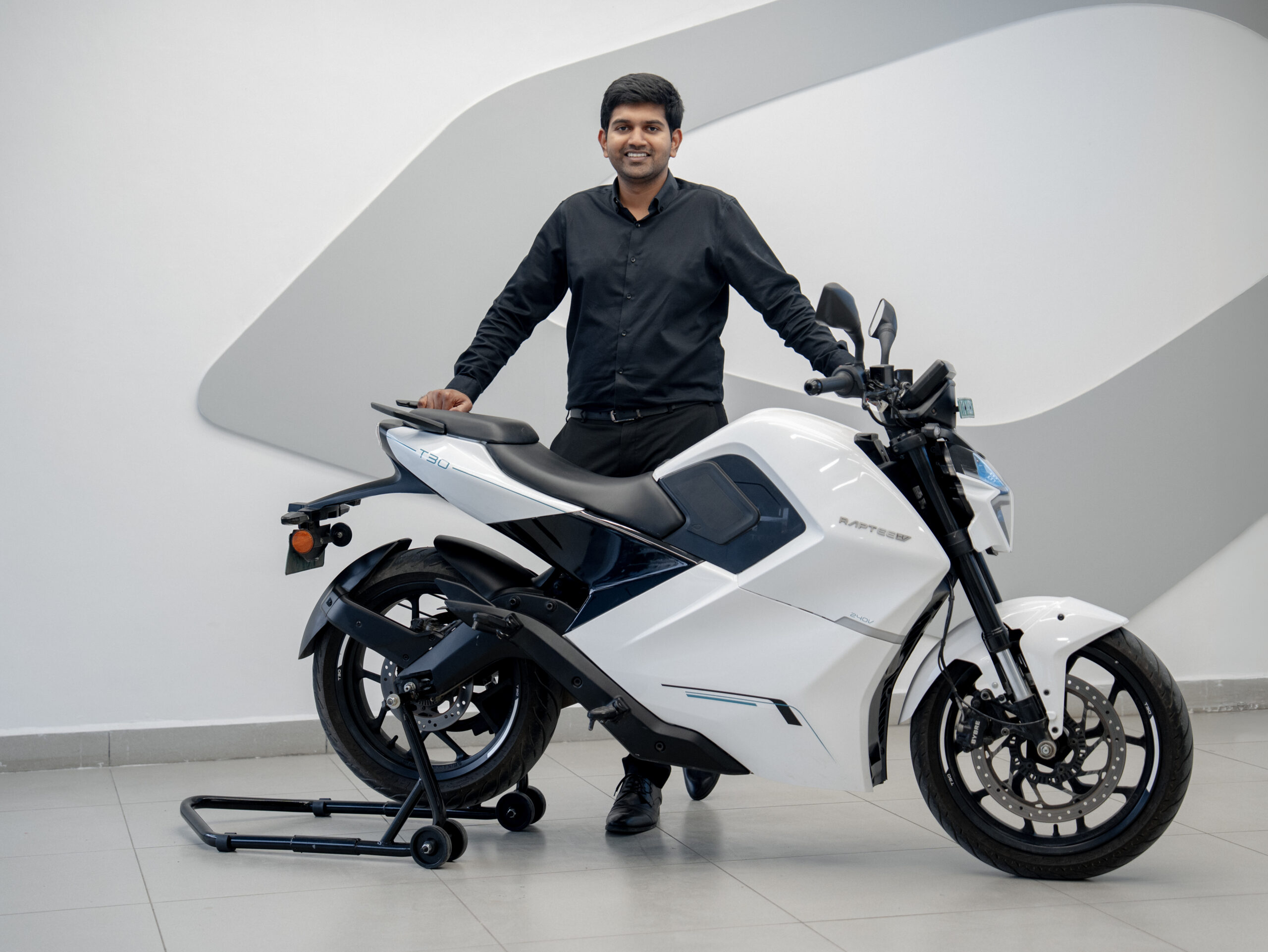
As electric two-wheelers move from early adoption to a new phase of maturity, the industry is looking beyond battery size and range to redefine the riding experience. In this article, Dinesh Arjun, Co-founder and CEO of Raptee.HV, explores how high-voltage architecture, faster charging, intelligent battery management, connectivity and software are coming together to shape the next generation of electric motorcycles and why engineering, rather than a single technology, will define the road ahead.
For the first few years of the electric motorcycle industry, the biggest challenge was adoption. Could an electric motorcycle convince someone who had spent years riding petrol motorcycles to make the switch?
That question has largely been answered. Electric mobility is no longer competing for acceptance; it is competing on experience. The conversation has shifted from “Will riders buy electric?” to “Can an electric motorcycle be better than the one I already own?”
That’s a much harder question to answer and it cannot be solved with a bigger battery alone.
Today’s riders expect an electric motorcycle to deliver everything they value in an ICE motorcycle: performance, reliability, convenience and the thrill of riding. They don’t expect to compromise simply because the motorcycle is electric. Meeting these expectations requires more than incremental improvements in battery technology. It demands a fundamentally different approach to vehicle engineering. One of the biggest shifts driving this evolution is the move towards high-voltage electrical architecture. Most electric two-wheelers today operate on low-voltage systems. While these systems work well for basic urban commuting, they begin to show their limitations when riders expect quicker charging, sustained performance and greater efficiency. The reason is straightforward. Delivering the same amount of power at a lower voltage requires significantly higher current. Higher current results in greater electrical losses, generating more heat throughout the powertrain. That heat places additional stress on critical components such as the battery, motor controller and power electronics, ultimately affecting efficiency, performance consistency and long-term durability.
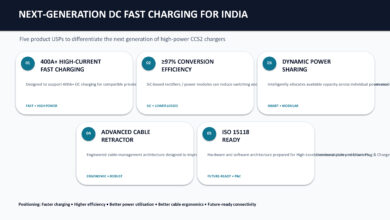
A high-voltage architecture changes this equation. By delivering the required power at lower current, it reduces heat generation across the system, allowing every major component to operate more efficiently and under less stress. Rather than being a single feature, it becomes the foundation on which a better electric motorcycle is built. The benefits extend well beyond performance. Charging speed is often viewed as a battery problem, but it is equally a thermal management challenge. The more heat generated during charging, the more carefully charging power must be managed to protect battery health. By operating at lower temperatures, high-voltage systems can safely accept higher charging power, making DC fast charging practical for motorcycles. As a result, charging becomes less about waiting and more about convenience. This shift is becoming increasingly relevant as India’s charging ecosystem continues to expand. With more than 30,000 public charging points already operational and the government planning to make it 72,000 across the country, access to charging is improving rapidly. Instead of planning an entire journey around charging stops, riders will increasingly be able to plug in, top up and continue their ride with minimal interruption.
Battery technology itself has also evolved significantly. A modern battery pack is far more than a collection of cells. Advanced Battery Management Systems (BMS), thermal management, intelligent electronics and sophisticated software work together to continuously monitor battery health, balance individual cells, regulate temperature and optimise every charge cycle. When the entire system generates less heat, the battery experiences lower thermal stress, helping preserve its performance over thousands of kilometres. The result is an electric motorcycle that feels as capable years later as it did on the day it left the showroom. The future of electric mobility is shaped not just by hardware, but by the intelligence built around it. Connected technologies are fundamentally changing vehicle ownership. Through IoT connectivity, riders can monitor battery health, track charging progress, locate their motorcycle, analyse ride data and receive maintenance reminders directly from their smartphones. Behind the scenes, cloud-connected platforms enable over-the-air software updates, remote diagnostics and predictive maintenance, allowing motorcycles to continuously improve throughout their lifetime rather than remaining static products.
Taken together, these technologies represent something much larger than individual features. The future of electric mobility will not be defined by the motorcycle with the biggest battery or the highest top speed. Those benchmarks will continue to evolve. The real differentiator will be engineering that consistently delivers performance, reliability, convenience, and confidence throughout the life of the motorcycle. The motorcycles that shape the next decade won’t simply be electric. They’ll be engineered from the ground up to raise the standard for what riders expect from a motorcycle, making technology visible, ownership effortless, and every ride better than the last.
Note to Readers: The views expressed in this article are those of the author and are presented for informational purposes only. They do not necessarily represent the views of Mobility Electrified.